 Pre-development brand strategy
The name is the first brand decision. Make it on purpose.
Every project has a working name on day one, coined by the deal team to have something to call it, and it hardens by default: onto the filings, the lender deck, the first renderings. Naming a real estate development means finding the word a neighborhood, a tower or a district will carry for fifty years, and proving it before it is poured into signage. At Fresh Powder the work runs from positioning through a naming territory, a screened shortlist, testing with the people the place is built for, and a system for the places within the place. We named The Stacks, The Esplanade and Hurley Place, among others. This page sets out how, what it costs, and when to start.
Five steps from working name to the one that lasts.
By the time anyone asks whether the working name is the right one, it is on the entitlement filings and the first renderings, and changing it costs money and face. Most developments are never named at all; they are labelled, and the label becomes the brand. The order below is how a name gets chosen on purpose.
- 01
Position
The questionWho is this for, and what will it mean to them?
What we doPrimary research when the project calls for it. Positioning, audience, and what the place is not. The brief the name has to answer.
- 02
Territory
The questionWhat ground can the name stand on?
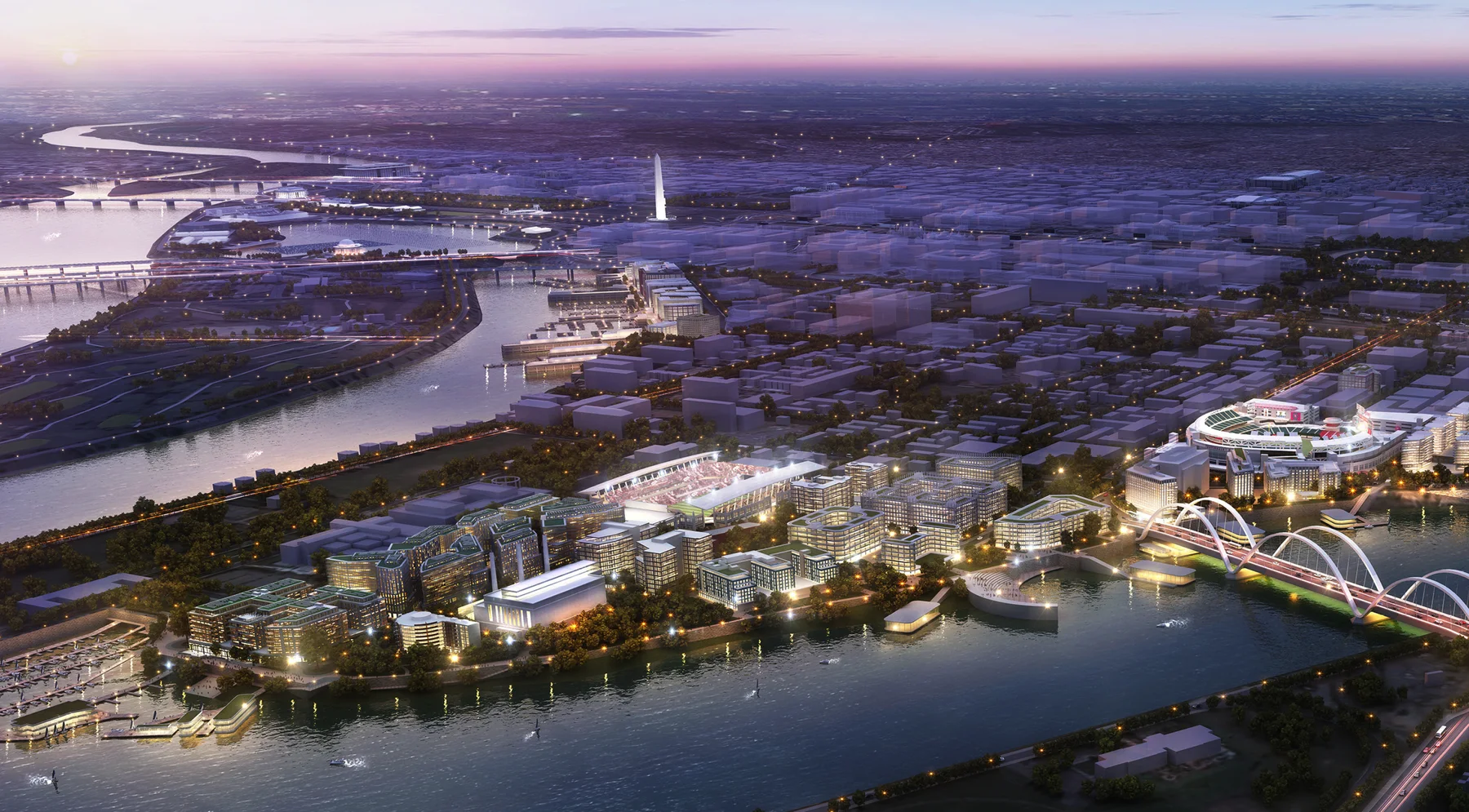
What we doThe site’s history, geography, trade, the district it joins or creates. The Stacks took its name from Buzzard Point’s industrial history and the concrete it stands on.
- 03
Generate and screen
The questionWhich candidates survive contact with the world?
What we doHundreds to a shortlist of six to ten, each screened for trademark conflicts, domain availability, pronunciation, existing uses in the market, and how it reads on a hoarding, a lease and a search result.
- 04
Test
The questionDoes the audience hear what we meant?
What we doRenters, buyers, tenants and the public react to the shortlist in context, against competitors, with the positioning they would actually hear. Stated preference is a signal; we read it alongside the strategy.
- 05
Build the system
The questionWhat are the places within the place called?
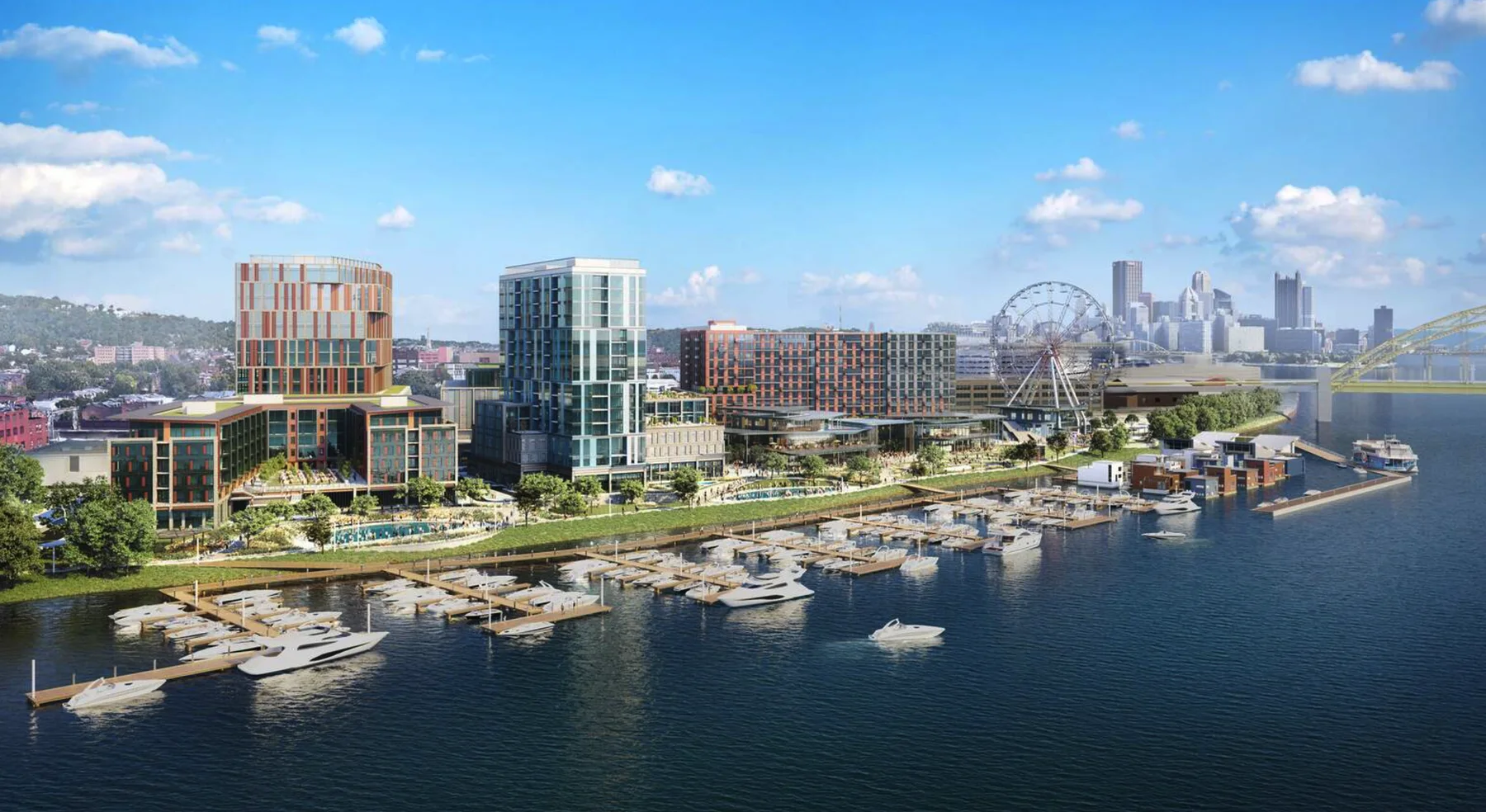
What we doTowers, mews, parks, retail streets, amenity floors. The Esplanade named its riverfront before its buildings. The system is what makes a district feel designed rather than assembled.
Naming on its own, from $15,000.
Naming a single project, from positioning check through territory, generation, screening, testing and the naming system, is from $15,000 and runs six to eight weeks. When naming runs together with positioning and narrative as one piece of work, it is a Focused Consultation, from $60,000. For a developer already in Embedded Advisory it is part of the engagement. A project that arrives with a name already on the drawings gets the same process, compressed, whose first job is to decide whether that name should survive. Sometimes it should.
- LegalObvious trademark conflicts, by class and by sound-alike, before your counsel sees the list.
- DomainThe .com, or a form of it a developer can live with.
- MouthSaid aloud by a broker, a tenant, a cab driver.
- MarketExisting uses within the submarket and the asset class.
- StreetHow it reads on a hoarding, a lease and a search result.
- The placeThe name the district or building carries, and the one-line story behind it.
- The towersEach building named within the system, so the fourth is as considered as the first.
- The streets and mewsThe social spine named before the retail is leased, so brokers have something to sell.
- The parks and waterThe public realm named for the people who will use it, not the pro forma.
- The amenity floorsClubs, rooftops and work lounges with names that do a job rather than decorate.
- The phasesA logic that survives a second and third phase without a rebrand.
- The marksWordmark, lockups and the rules for using them, handed to the designers with the name.
Trademark clearance is your legal team’s or trademark counsel’s work and sits outside our scope; we hand them a screened shortlist, not a hunch. Domain acquisition is an outside cost, billed as incurred. How naming sits inside the five moments of a project is on the Services page; the case for deciding it early is in Why Smart Developers Market Before They Build.
Before you call.
How long does it take to name a real estate development?
Six to eight weeks from positioning to a cleared, tested name with its system. Less when the positioning exists; more when the project is a district with many named parts. The constraint is usually your counsel’s clearance and your own decision cycle, not the creative work.
What does naming a development cost?
At Fresh Powder, from $15,000 for a single project: positioning check, territory, generation, screening, testing and the naming system. Naming together with positioning and narrative is a Focused Consultation, from $60,000. Trademark clearance is your counsel’s work, outside our scope; domain acquisition is an outside cost. Within Embedded Advisory, naming is part of the engagement.
Should a development keep its working name?
Sometimes. The working name is tested like any other candidate; if it carries the positioning, clears legally and the audience responds, it stays, and the project gains a brand without the cost of a change. More often it fails one of those three tests, and the earlier that is known the cheaper the fix.
Do you name the places within a district too?
Yes, and it is where most of the value sits. Towers, mews, parks, retail streets and amenity floors each carry the brand or dilute it. A naming system decides the logic once, so the fortieth name is as considered as the first.
Who clears the trademark?
Your legal team or your trademark counsel. Legal clearance and registration are not in our scope. What we do is screen every candidate for existing uses, domains and sound-alikes before it reaches the shortlist, so counsel is clearing six names that have a real chance rather than sixty that do not.
Can you name a project that is already under construction?
Yes. The same engagement, from $15,000, runs in compressed form and decides first whether the existing name should be kept. Signage and web can usually be changed; entitlement filings and legal entity names usually need not be.
Still calling it the street address?
Tell us where the project stands. If the name is already on the drawings, say so; that changes the shape of the work, not whether it is worth doing.
Get started