 Pre-development brand strategy
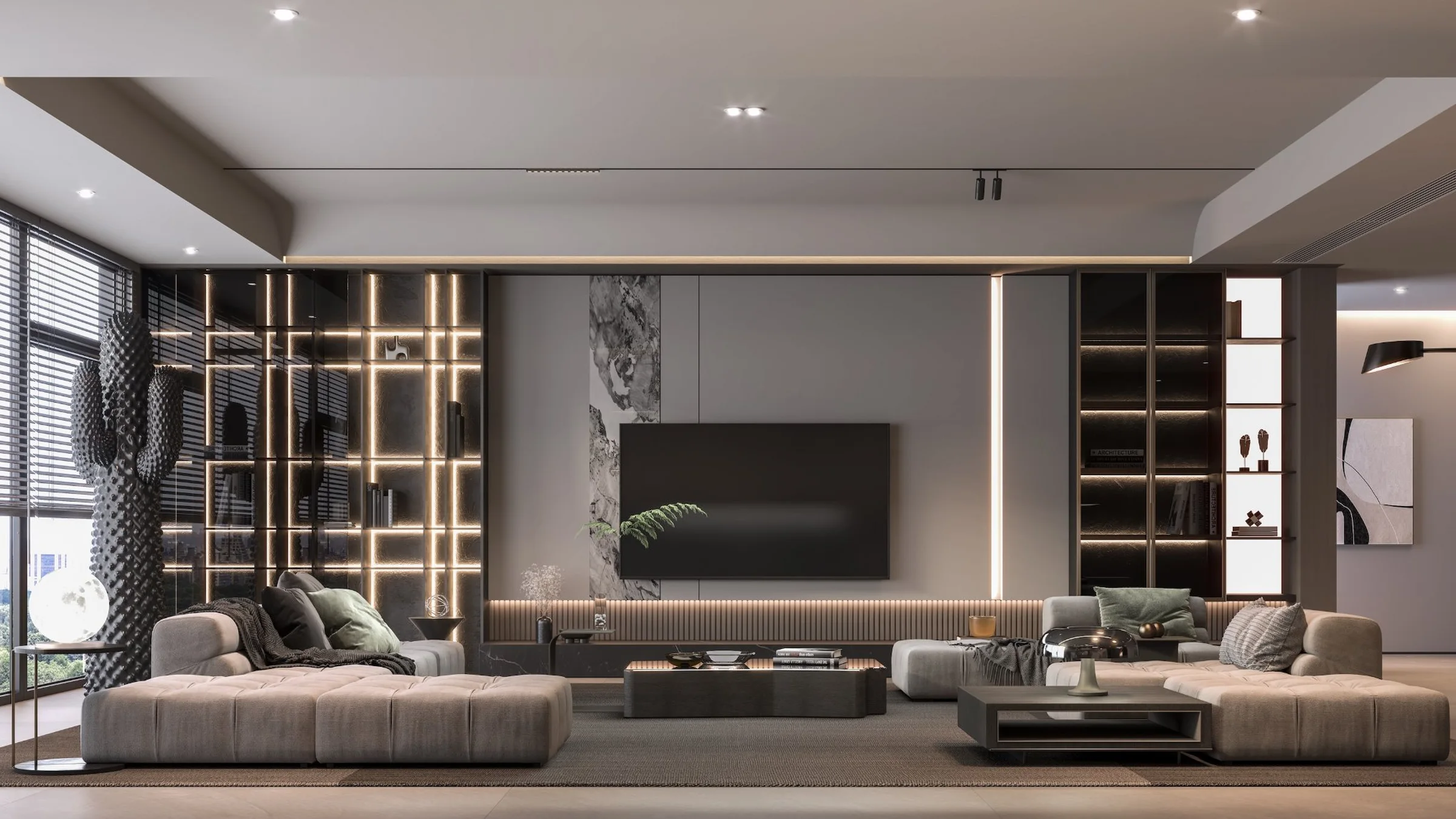
An amenity can look persuasive in a rendering and remain stubbornly unpersuasive in daily use. For residential developers, the more useful question is what each space contributes to a resident’s decision to move in, stay and recommend the property.
The arms race is not literally over. Competitive amenity spending continues, and some markets reward considerable extravagance. But a longer list is an increasingly weak substitute for a sharper proposition. Every addition carries a capital cost, an operating obligation and an opportunity cost. Its value deserves to be tested before the design becomes expensive to change.
The pressure behind the question
The National Apartment Association’s October 2026 analysis compared the same 13,471 communities, roughly 1.7 million units, across 2024 and 2025. It reported 4.6% operating-expense growth against 2.7% revenue growth in 2025. Those are portfolio-level observations, not a verdict on any individual property’s amenity program. They do, however, make vague assumptions about value harder to defend.
NAHB’s February 2026 housing-trends briefing also connected affordability pressures with decisions about home size and amenities. It described opportunities for flexible spaces and outdoor areas, including parks and trails in multifamily communities. Much of the briefing concerns home buyers, so it should inform the questions developers ask rather than stand in for research with their own renters.
For a reminder of what everyday value looks like, NMHC reports that 87% of respondents to the 2024 NMHC/Grace Hill Renter Preferences Survey rated internet availability immediately on move-in as very important or absolutely essential. The survey included more than 172,000 renters across 4,220 communities. That finding establishes importance among respondents, not willingness to pay a premium or a preferred billing model.
The challenge is to distinguish a feature that looks desirable from one that meaningfully affects choice. A resident may like six things, pay for two and use something else every day.
Give each amenity a job
Start with the intended residents, their routines and their budget. “Young professionals” is too broad to be a design brief. Work patterns, household composition, pets, transport and available leisure time can produce quite different needs within the same age group.
Then define the job. A work lounge might offer occasional laptop space, a dependable alternative to a home office, or somewhere to meet a visitor. Each requires different acoustics, furniture, connectivity and operating rules. Naming the room cannot resolve an unclear purpose.
Consider an illustrative choice between a large social lounge and several smaller work rooms. Neither is inherently better. If prospective residents mostly work away from home and value hosting, the lounge may win. If privacy for calls is a recurring frustration, smaller rooms may be more useful. The answer should emerge from evidence, not the apparent sophistication of either option.
Apply a five-part value test
Establish the audience and need. Interview prospective residents and current residents in relevant comparable properties. Ask about recent behavior and frustrations, not only preferences for attractive images.
Test trade-offs. Present credible combinations of features and rents. Separate “I like this” from “I would choose this property because of it.” Stated willingness to pay is a useful signal, but it remains an estimate to test against leasing behavior.
Price the full obligation. Include staffing, cleaning, energy, insurance, replacement and the space that could have served another purpose. A low construction cost does not guarantee a low lifetime cost.
Check the local alternatives. Nearby parks, coworking spaces and services may complement the building. They are not automatically substitutes: access, price, opening hours and the route there matter.
Specify how success will be judged. Depending on the amenity, that might mean repeat use, booking availability, resident satisfaction or evidence from renewal conversations. Usage alone is insufficient. A quietly valued feature may support choice without attracting a crowd.
Make the promise tangible
A focused program gives marketing a better story to tell. Instead of describing an “exceptional lifestyle,” show how the building supports a working morning, an evening with friends or a comfortable hour outside. The spaces, the service and the communications should support the same promise.
There is still room for delight. The value test is not an instruction to remove every feature that lacks a neatly attributable rent premium. It is a way to make deliberate choices, including the occasional generous one, with an honest account of their purpose and cost.
Before the program is locked, ask: Who is this for? What problem does it solve? What evidence would justify the investment?
Planning a residential project or reassessing an existing amenity program? Talk to Fresh Powder to connect resident insight, positioning and the development brief before the major decisions are fixed.